
The historical journey of gambling From ancient rituals to modern casinos
The Origins of Gambling in Ancient Civilizations
The roots of gambling can be traced back thousands of years to ancient civilizations such as Mesopotamia, Egypt, and China. Archaeological evidence reveals that dice, which date back to around 3000 BCE, were used in various games of chance. These early forms of gambling were often intertwined with religious practices and rituals, reflecting the belief that fate and fortune were governed by the gods. Today, players can explore the best bitcoin betting sites that highlight this fascinating evolution.

In ancient China, gambling was not only a source of entertainment but also a way to resolve disputes and promote community cohesion. The practice evolved into organized games, such as Keno and Mahjong, which are still popular today. Ancient Roman culture also embraced gambling, with various forms of betting prevalent among citizens, ranging from simple dice games to complex betting on gladiatorial contests.
The Evolution of Gambling Through the Middle Ages
As societies evolved, so did the concept of gambling. During the Middle Ages, gambling became a significant pastime among the nobility in Europe. The introduction of playing cards in the 14th century marked a pivotal moment in gambling history, leading to the creation of numerous card games that would shape future gambling practices.
The establishment of gaming houses in cities across Europe provided formal venues for gambling. These establishments often operated under the guise of social clubs, allowing patrons to enjoy games of chance while adhering to the more conservative societal norms of the time. However, gambling remained contentious, often facing opposition from religious and governmental authorities who viewed it as a vice.
The Rise of Commercial Gambling and Regulation
The 17th and 18th centuries saw the rise of commercial gambling, particularly in England and France. The establishment of official lotteries in various countries provided a legal framework for gambling, generating revenue for state projects while allowing citizens to indulge in their gaming interests. This period also witnessed the birth of modern casino culture, with lavish establishments opening in cities like Venice and Monte Carlo.
As gambling became more widespread, governments began to regulate the industry to curb illegal betting and protect consumers. This led to the establishment of laws and regulations governing gambling operations, ensuring fair play and accountability. The increasing popularity of horse racing also contributed to the normalization of betting, with tracks becoming essential venues for gamblers.
The Modern Casino Experience
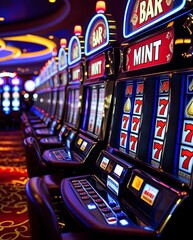
The 20th century marked a significant transformation in the gambling landscape with the establishment of glamorous casinos in locations such as Las Vegas and Atlantic City. These venues became synonymous with luxury and entertainment, attracting millions of visitors eager to try their luck at various games. The architectural marvels of modern casinos, paired with high-profile entertainment and dining options, revolutionized the gambling experience.
In addition to traditional games like poker and roulette, the introduction of electronic gaming machines further diversified the gambling offerings. The rise of technology has also led to online casinos, providing players with the convenience of gambling from home. Today, casinos encompass a vast array of gaming options, catering to both casual players and high rollers, solidifying their status as essential entertainment hubs.
Exploring the Future of Gambling
As the gambling landscape continues to evolve, technological advancements are playing a crucial role in shaping its future. The rise of online gambling and mobile betting platforms has transformed the way people engage with games of chance. Players now have the option to bet on sports, play casino games, and participate in lotteries through their smartphones, making gambling more accessible than ever before.
Emerging technologies, such as virtual reality and blockchain, are expected to further innovate the industry, providing immersive experiences and enhanced security for online transactions. As regulations adapt to these changes, the future of gambling is likely to offer exciting possibilities for both operators and players, ensuring that this ancient pastime remains relevant in the modern world.